Where It All Started
How a freelance artist walked into the world’s largest float center, built the campaign that put floating on the map, and launched an industry career that would span a decade.
#WhyWeFloat Results
Oct 15 – Nov 23, 2015
Real stories from real floaters
Brand foundations built for franchise scale
In 2014, Bryce Evans had just moved to Vancouver after a period of deep personal transformation that started with his first float, years earlier, when he released the weight he had been carrying from a near-drowning experience in someone’s basement in Calgary. He was working as a freelance artist and marketing consultant. He was not in the float industry.
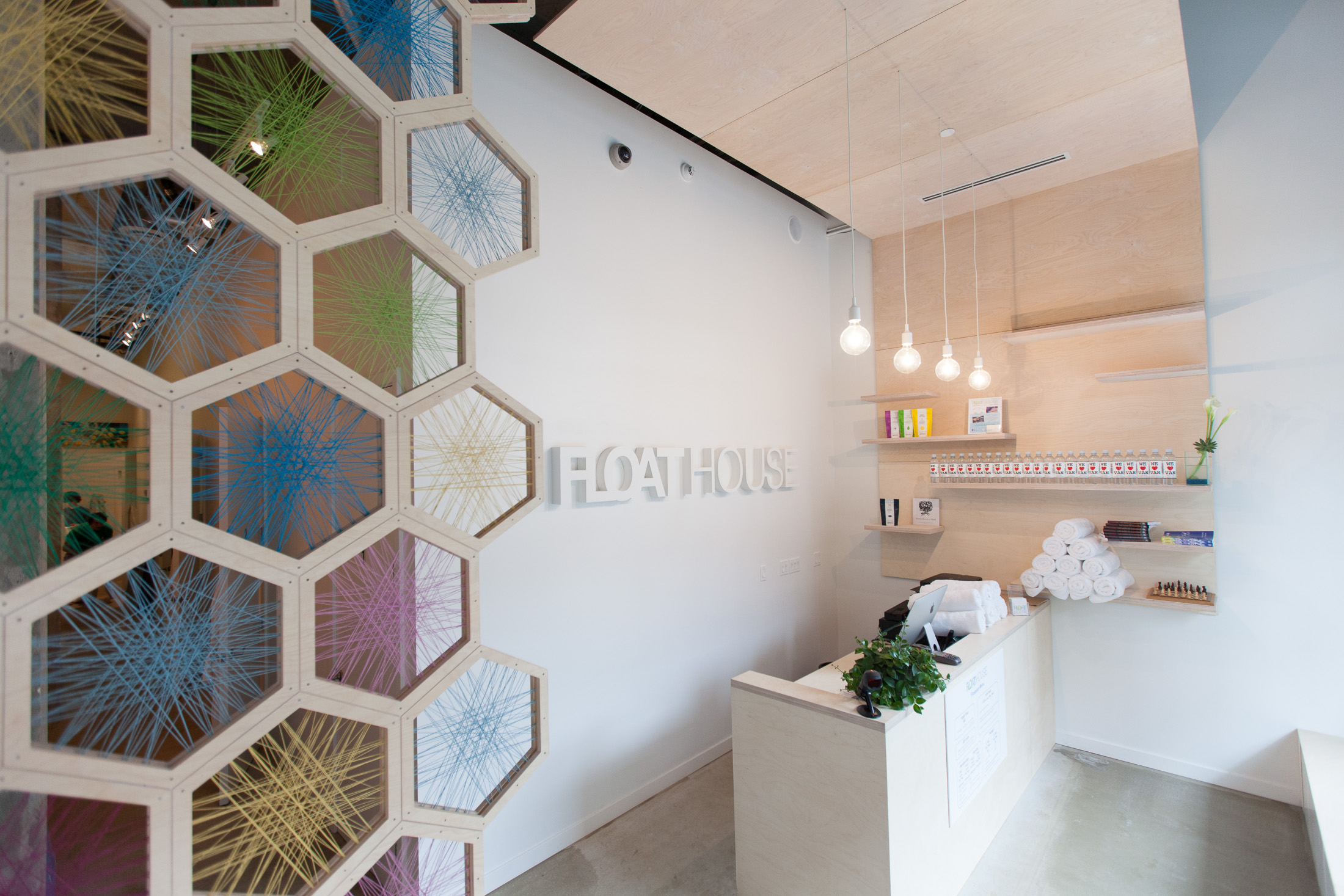
Then Float House opened a block from his apartment. At the time, it was the largest float center in the world. Multiple locations across Vancouver, expanding into new cities across British Columbia and beyond. Bryce walked in and the practice that had started with a single float solidified fully in this space. It was personal before it was ever professional.
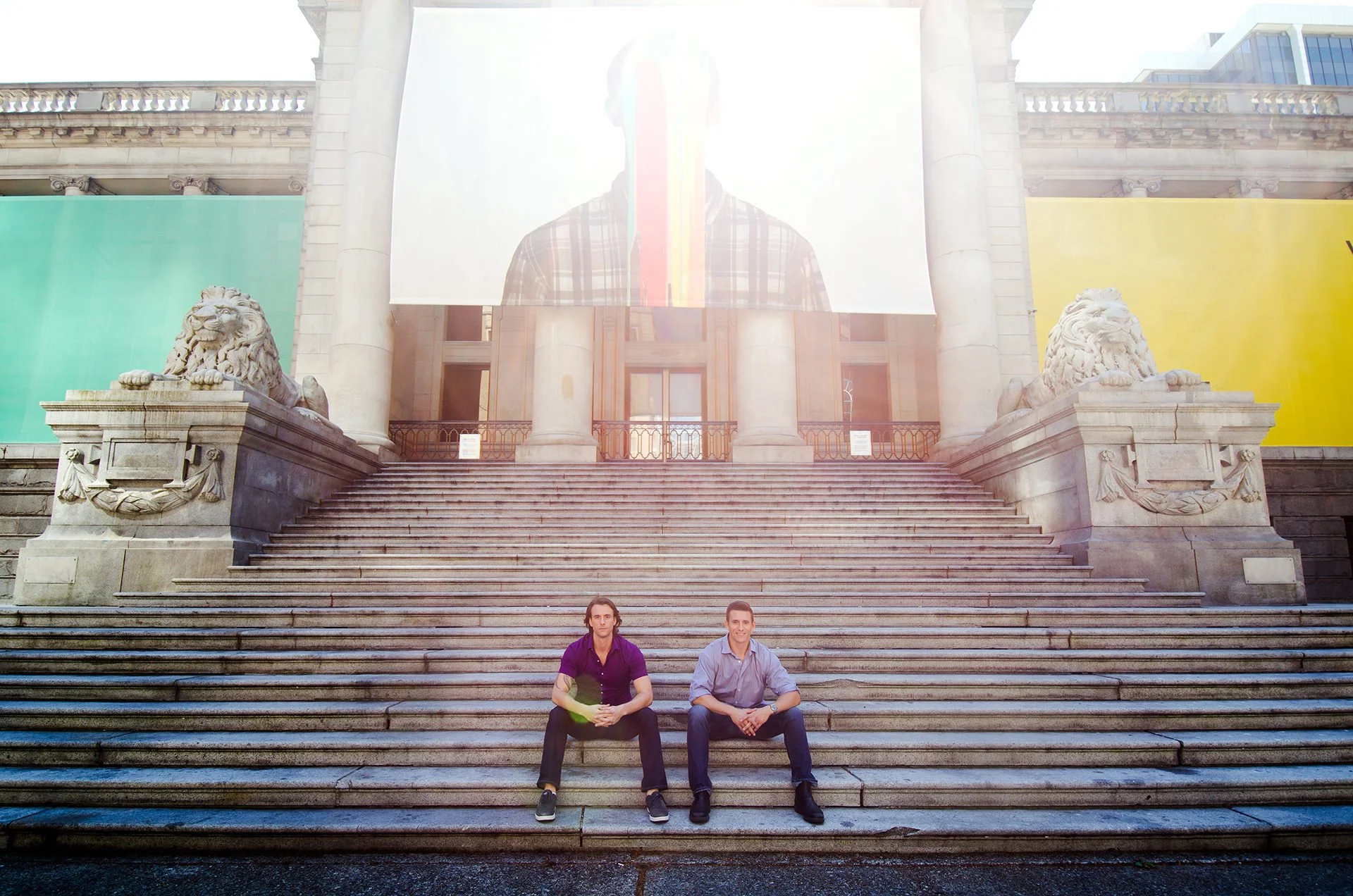
He saw the same thing he would see in every float center for the next decade: an incredible experience being undersold. A business with enormous potential held back by marketing that didn’t match the depth of what was actually happening inside the tanks.
He proposed a marketing consulting engagement. They said no.
Six months later, they came back.
Holding Both the Mystery
and the Human
“Bryce built Float House a beautiful new website at a crucial time when we were starting to franchise. He also elevated our social media and email presence to a level that was in line with how seriously we take our floating.”Andy Zaremba — Co-Founder, Float House
The contract was signed in April 2015. What followed was not a simple social media gig. Bryce became the marketing architect for Float House — responsible for brand strategy, website development, campaign creation, content direction, analytics, and the systems that would need to hold as the company scaled.
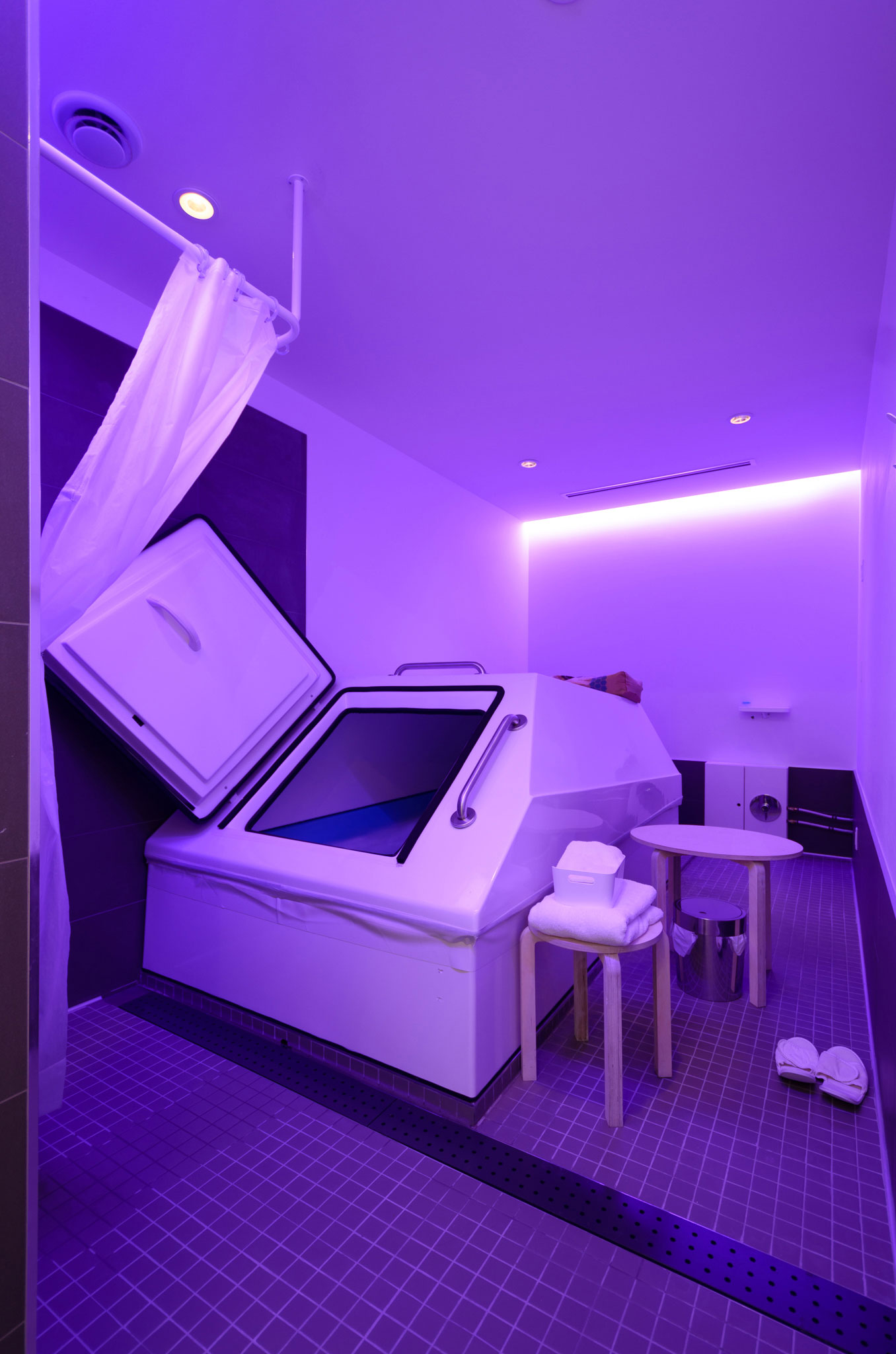
A 26-page brand guidelines document was authored — the playbook that would standardize how six locations looked, sounded, and operated. The website was rebuilt. Email and HubSpot systems were architected. Google Analytics and AdWords were set up and translated into business decisions. Content calendars and editorial standards were established. PR outreach was coordinated, resulting in coverage through VancityBuzz (now Daily Hive).
When Bryce started, Float House had two locations — Gastown and Kitsilano. As the company expanded into South Surrey, Langley, Victoria, and Edmonton, the brand foundations he built were what made that scale possible. The 26-page guidelines, the presale launch frameworks, the systems architecture — these became the franchise playbook.
What Was Architected
From Two Locations to Six
The centerpiece of the Float House engagement was the #WhyWeFloat campaign. Bryce created and pitched the concept to Float House: get people to share their real stories about how floating had helped them. Not testimonials for a business. Real stories from real people about what happens when you get quiet enough to hear yourself.
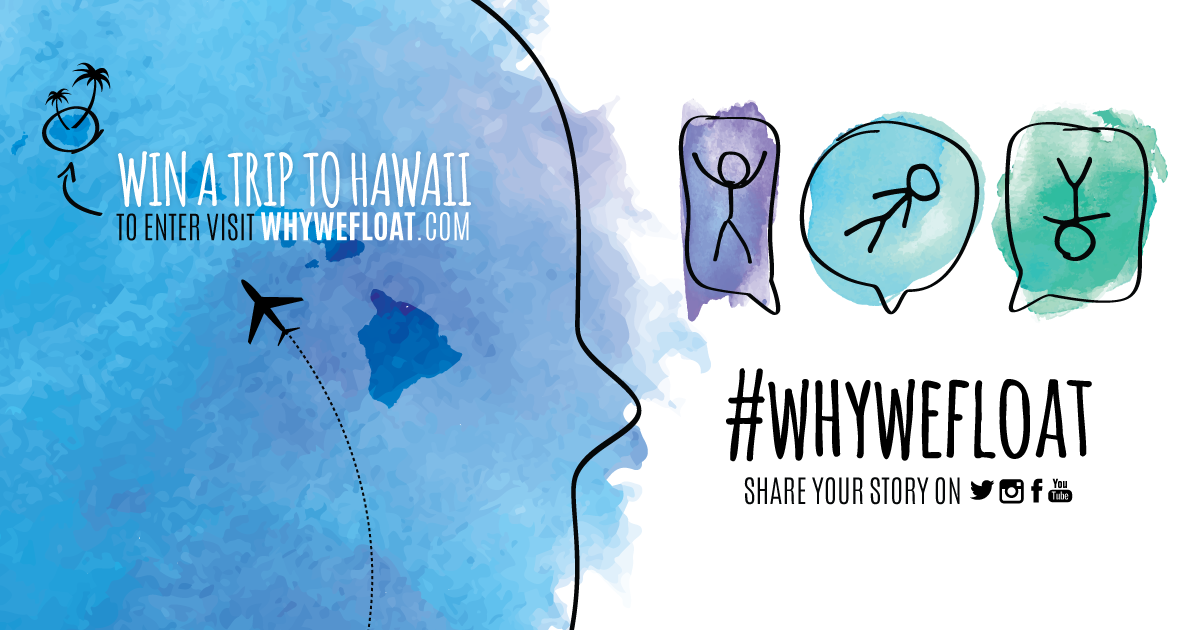
Float House saw the potential to expand it beyond their own walls. They brought the vision for a grand prize that would match the scale of the message: a trip to Hawaii for the winner — co-funded by True Rest Float Spa — lifetime floats as second prize, and a year of floats as third. Ten Instagram influencers were recruited. Facebook ads were deployed. Sponsored content ran on local media through VancityBuzz (now Daily Hive).
An early ambassador email sent before the main launch generated 49 warm leads before the contest even went public.
The contest ran from October 15 to November 23, 2015. Andy Zaremba, Float House co-founder, announced #WhyWeFloat at the 2015 Float Conference — introducing it to the entire industry on stage.
What started as a brand campaign for Float House expanded into something that helped put fuel on the fire of the industry’s kindling. It became the most visible piece of float industry marketing anyone had produced.
The Campaign Data
Posts
Posts
Score
on Winner Email
Influencers
The #WhyWeFloat concept would later evolve into World Float Day, celebrated every January 6th on the birthday of John C. Lilly, the inventor of the float tank. Bryce created it, then gave it to the Float Tank Association to carry forward. From one campaign to a global tradition.
The work at Float House was visible enough that in April 2016, a float center owner in Campbell, California named Ryan Ariko found it while searching for someone who understood the industry. After three months of looking for an alternative, his wife Katie wrote: “It’s totally bizarre, but I can’t seem to find anyone who looks to be a good match.” There was no one else. Because the intersection of marketing expertise, business strategy, and deep understanding of floating barely existed.
Every methodology, every founding membership launch, every principle about marketing floating with depth instead of discounts — the seeds were planted here. A practice that became a calling. A calling that became an industry career spanning more than a decade, touching 60–70 centers across four continents.
It started with one float. It grew in this space. And everything that followed was built on what was planted here.
How It Unfolded
It started with one float.
Everything that followed was built
on what was planted here.
Float House was the beginning. The methodology, the campaigns, the founding membership launches — the seeds of an industry career spanning 60–70 centers across four continents.
Ask Lilly ← Back to all results