Number One in London
How a float center membership launch in Shoreditch went from zero to 261 members, #1 on TripAdvisor out of 800+ spas, and over 100 five-star reviews — in less than three months.

What the Data Says
of opening day
TripAdvisor in London
by month two
In early 2019, Tom Euinton was building Float Hub in Shoreditch, London. He had found floating after years of struggling with sleep apnea and insomnia, and the experience had been transformative enough that he decided to build a center of his own. The location was 346 Old Street, in the heart of one of London’s most competitive wellness markets.
He had no website. A freelancer he had hired to build it had failed to deliver. He had no marketing infrastructure, no email list, no social media presence, no membership strategy, and no booking system integration. Construction was underway, tanks were weeks from being installed, and he was managing everything simultaneously.
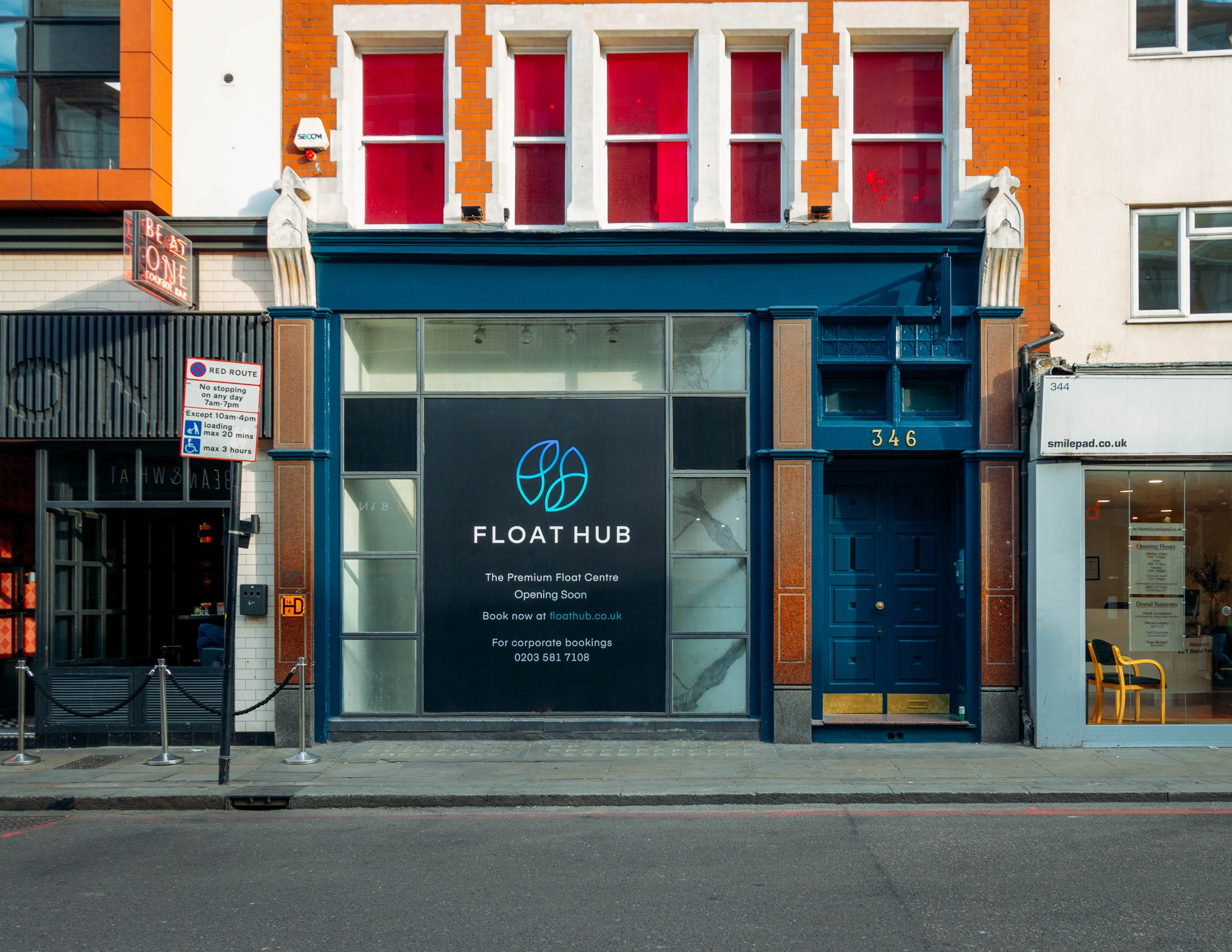
He needed someone who understood floating well enough to build the entire launch from scratch. And he needed it fast.
What Changed
The contract started in April 2019. Within weeks, the full launch infrastructure was built: a custom website from scratch replacing what the freelancer never delivered, Mailchimp email marketing, Facebook and Google ads, an Instagram growth strategy, a launch contest on Gleam, Mindbody booking integration with HealCode, Zapier automations, influencer outreach, journalist outreach, and the founding membership campaign that would become the centrepiece of the launch.
The founding membership offer went live on April 11, 2019. First member signed up on April 18. Eight days.
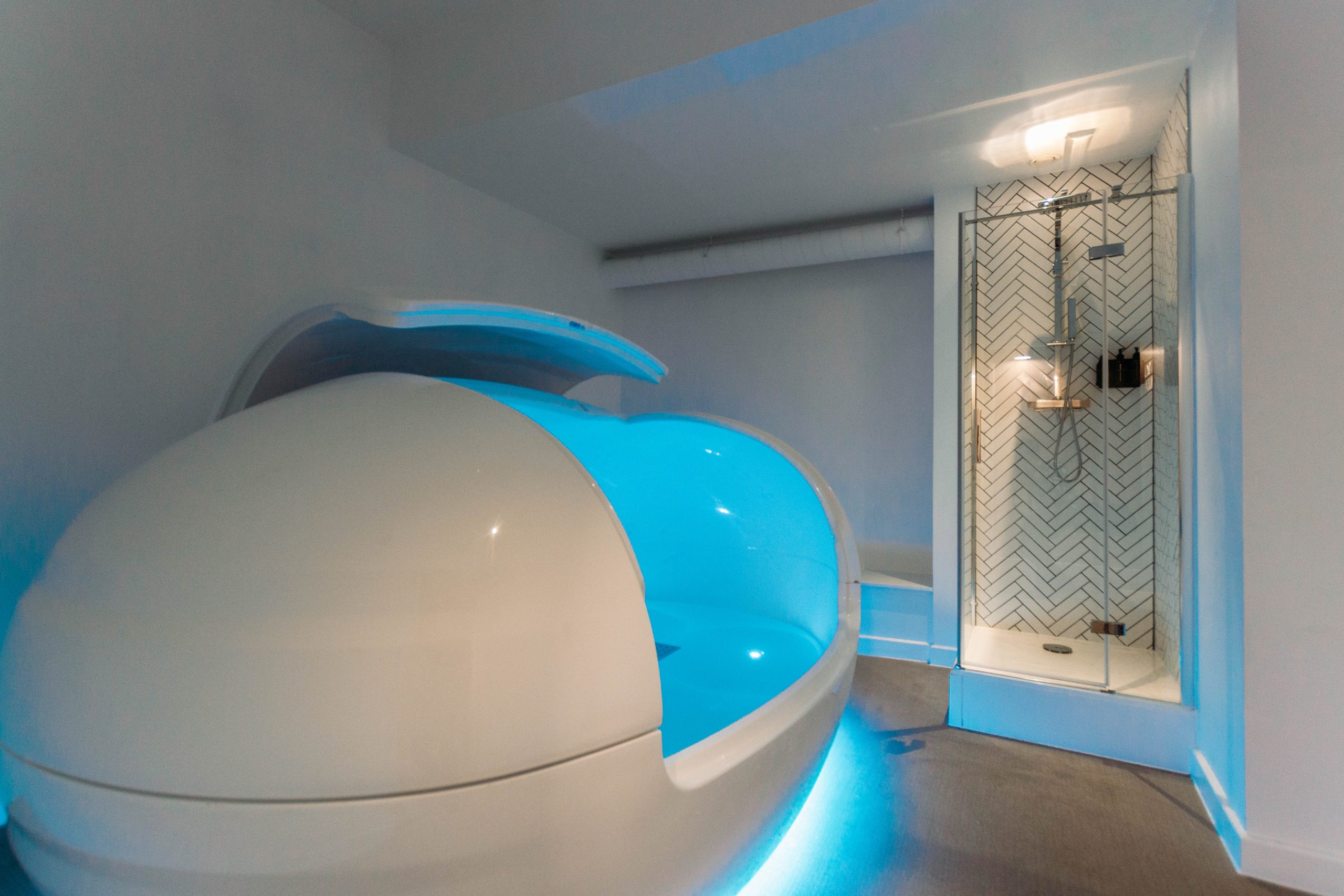
The launch contest ran for 76 days and generated 1,881 actions from 573 users with a 20.28% conversion rate. Prizes included free floats for life, a year of floats, and gift cards. The contest drove email signups, social follows, and founding member conversions simultaneously.
By May 30, a pre-launch audit tracked 56 founding members with more in the pipeline to convert. Press requests started coming in. A local magazine reached out about launch coverage. An influencer review was coordinated to highlight the medicinal benefits of floating for arthritis.
A Float Center Membership Launch Timeline
The First Two Months
“It was a massive comfort to have capable marketers involved who really understand floating, as well as the paths clients take as they prepare to experience it.”Tom Euinton — Float Hub, London
When Tom considered joining ClassPass to fill off-peak slots, the recommendation was against it — with data showing it would cannibalize organic sales and lead to low member conversions. He was steered toward strengthening the membership model instead of giving margin away to a third-party platform.
When another agency turned off high-performing ads without notice, hard data on click-through rates, cost per click, and tracked purchases was used to demonstrate the original campaigns were outperforming. Data over judgment calls.
When the booking process through Mindbody became frustratingly complicated for new users, the customer journey was simplified: staging sites, restructured membership pages, cleaner sign-up flows.
After the initial launch engagement wrapped in December 2019 with a full professional handoff, the relationship continued. Through COVID closures and reopenings. Through a partnership relaunch in 2021. Through the migration from Mindbody to Float Helm, which streamlined the entire booking and analytics infrastructure. By late 2021, Helm analytics showed Float Hub generating over £35,000 in monthly revenue with detailed breakdowns on average revenue per sale, membership retention patterns, and trial membership analysis.
The Complete Results
What Made the Difference
Float Hub was the first international float center membership launch outside of North America. The founding membership methodology that had been proven at Float Station in California was adapted for London — a market with different pricing expectations, different platforms, different competitive dynamics. It worked. Not because the tactics were copied and pasted, but because the underlying architecture was sound: build the community before the doors open, create a founding membership offer that turns early interest into committed recurring revenue, and use the pre-launch period to build every system the business will need to operate from day one.
Tom didn’t just get a marketing agency. He got someone who understood what it takes to launch a float center because they had done it before, across markets, and who understood floating at a depth most marketers never would. The website that a freelancer couldn’t deliver was built in weeks. The booking integration that Mindbody made frustratingly complex was solved through persistence and platform expertise. The membership strategy that would generate over £10,000 in monthly recurring revenue within two months was designed before the first ad ever ran.
Float Station proved the model in California. Float Hub proved it crosses oceans. The same methodology, adapted for a different market, produced the same outcome: a float center membership launch that delivered a foundation of members, reviews, and revenue that most businesses take years to build.
“They delivered a beautiful website in a tight timeframe, created a buzz around our launch, and helped us to quickly establish a valuable membership base. In approximately three months we reached #1 out of 800+ spas on TripAdvisor in London, which wouldn’t have been possible without the early guidance and buzz More Floats delivered.”Tom Euinton — Float Hub, London
Float Hub didn’t have a website
five months before it opened.
Three months after opening, it was the #1 rated spa in London.
Ask Lilly ← Back to all results